
Culture as Capital: How WOXA Is Redefining Sustainability in Fintech
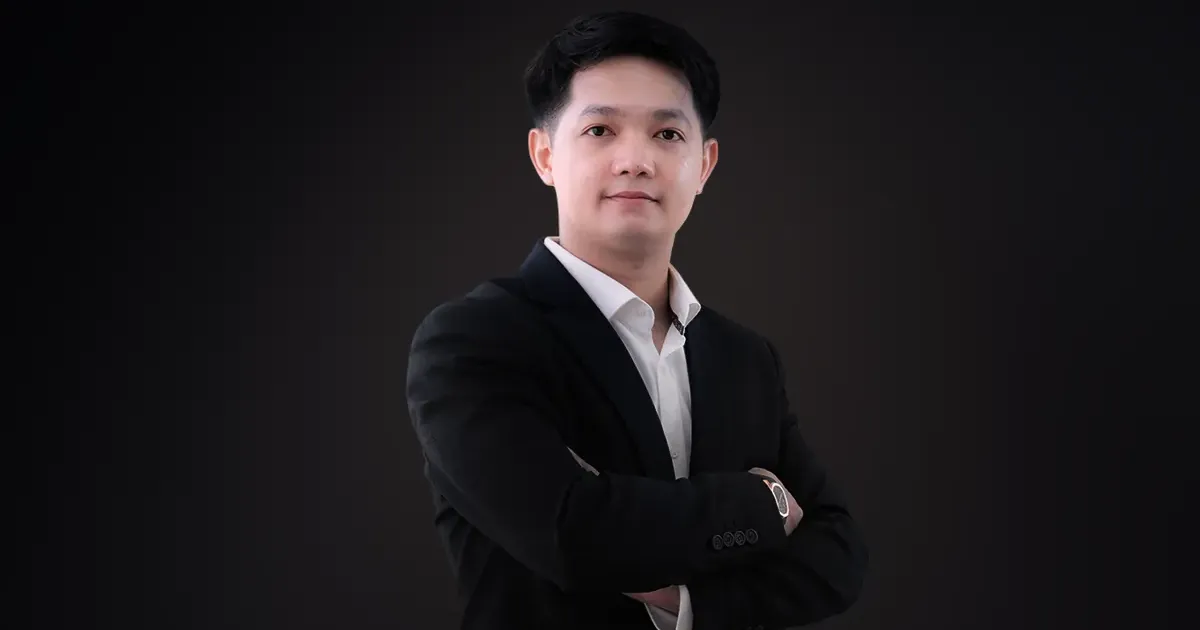
In an industry driven by quarterly results and product launches, few companies pause to consider the soul behind their success. In October 2025, Global Banking & Finance Review profiled WOXA Corporation & Group — a rapidly growing technology firm with nearly 400 employees — and found that its key to sustainable innovation lies not in the next algorithm, but in the culture that creates it.
The Global Banking & Finance Review feature, published October 2025 under its Technology section, tagged: sustainability, innovation, financial technology, leadership, cybersecurity.
An Inversion of Conventional Wisdom
Co-founder Takin Jitjanuruk's guiding philosophy has always been that "great technology doesn't create great companies — great culture does." That inversion sits at the core of WOXA's business model, and it is worth pausing on how unusual it is. The fintech industry's default operating assumption runs the other way: hire brilliant engineers, build a superior product, and culture will sort itself out. WOXA's decade of growth argues the opposite — the product is downstream of the people, and the people are downstream of the environment they work in.
Founded on the principle that technology should improve lives, the company operates with a clear purpose: to create a safer, more efficient, and more inclusive financial ecosystem. Fintech has entered a phase where trust, resilience, and transparency matter as much as raw innovation, and WOXA's model reflects that shift. By fusing financial technology with artificial intelligence, the company builds digital platforms that prioritize stability and cybersecurity without sacrificing user experience.
High Performance, Extreme Ownership
Internally, the team operates on what Jitjanuruk calls a "High Performance, Extreme Ownership" principle — a culture where responsibility is distributed and innovation grows from collective trust rather than top-down direction. The phrase is not an aspiration; it is an operating mechanism. Distributed responsibility means decisions happen where the information is, not three levels above it. Collective trust means a team member can commit to an outcome without waiting for permission — and will be backed when they do.
The results have been tangible. WOXA's technology has helped clients streamline cross-border payments and reduce operational risks, while the internal structure has enabled faster adaptation to new financial regulations — an advantage that compounds in an industry where the regulatory landscape changes faster than most companies can re-org.
"A company must evolve as an ecosystem. If culture is healthy, innovation naturally follows."
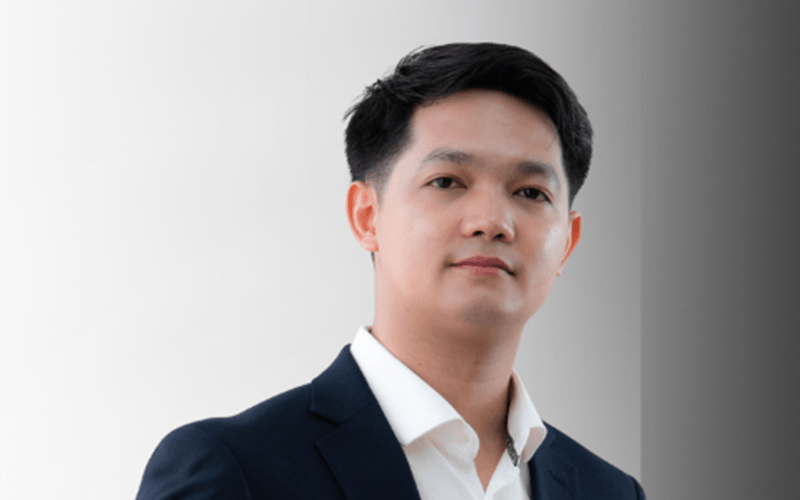
The same thesis carried WOXA's story to Fortune's pages weeks later: culture, not code, as the ultimate competitive advantage.
Sustainability Beyond Green Finance
For Jitjanuruk, sustainability is not only about green finance or long-term returns — it is about creating conditions where innovation can endure. The distinction matters. A company can post record quarters while quietly burning out the people who produced them; the ledger looks sustainable long after the organization has stopped being so. WOXA's emphasis on human development attacks that failure mode directly, and it has made the company more resilient in an industry where burnout and high turnover are common.
The company's training programs focus on developing leadership within every team, cultivating what Jitjanuruk calls "a culture of autonomous thinkers." The approach has attracted talent from multiple continents, motivated by purpose as much as performance — and it feeds directly into the group's education initiatives in Thailand, where the WOXA Sandbox internship program grows the next generation of engineers on the same cultural foundations.
The Next Decade: AI-Driven Cybersecurity
Looking forward, WOXA is investing heavily in AI-driven cybersecurity, anticipating the next wave of digital threats in finance. Its strategy blends predictive intelligence with ethical design — an emerging discipline Jitjanuruk believes will define the next decade of fintech. The reasoning is characteristically structural: as financial systems become more automated, the attack surface grows faster than any human security team can watch. The answer is not more analysts; it is intelligence built into the infrastructure itself, designed from the start to protect privacy, empower users, and promote stability.
Culture That Compounds
Through its blend of human-centric leadership and advanced technology, WOXA offers a glimpse into how corporate culture itself can be a form of capital — one that compounds not through transactions, but through trust. Financial capital buys servers and salaries. Cultural capital decides what gets built on those servers, and whether the people drawing those salaries stay long enough to build it well. On WOXA's evidence, the second kind is the scarcer asset — and the better investment.
Based on coverage published by Global Banking & Finance Review, October 2025.